

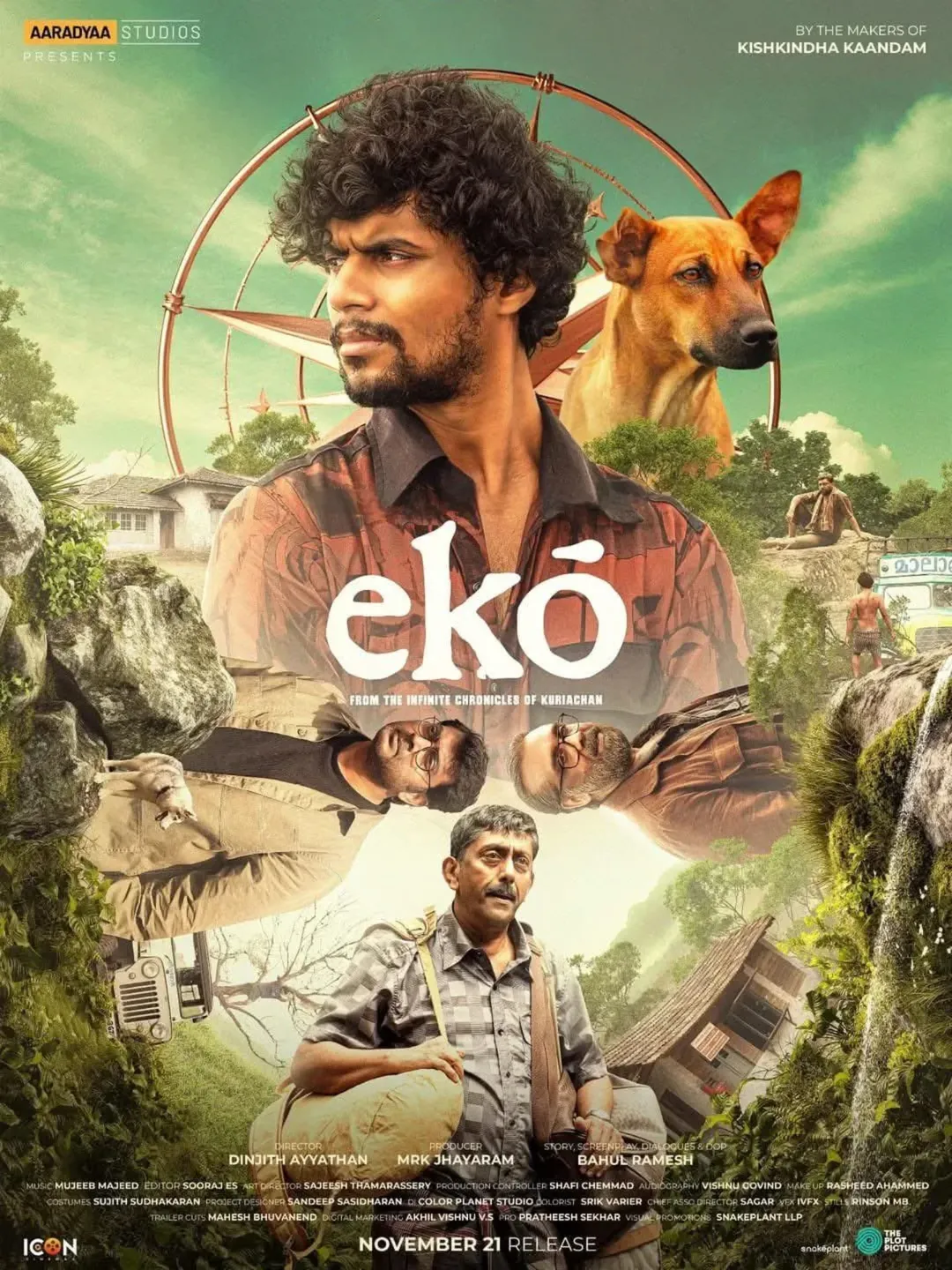
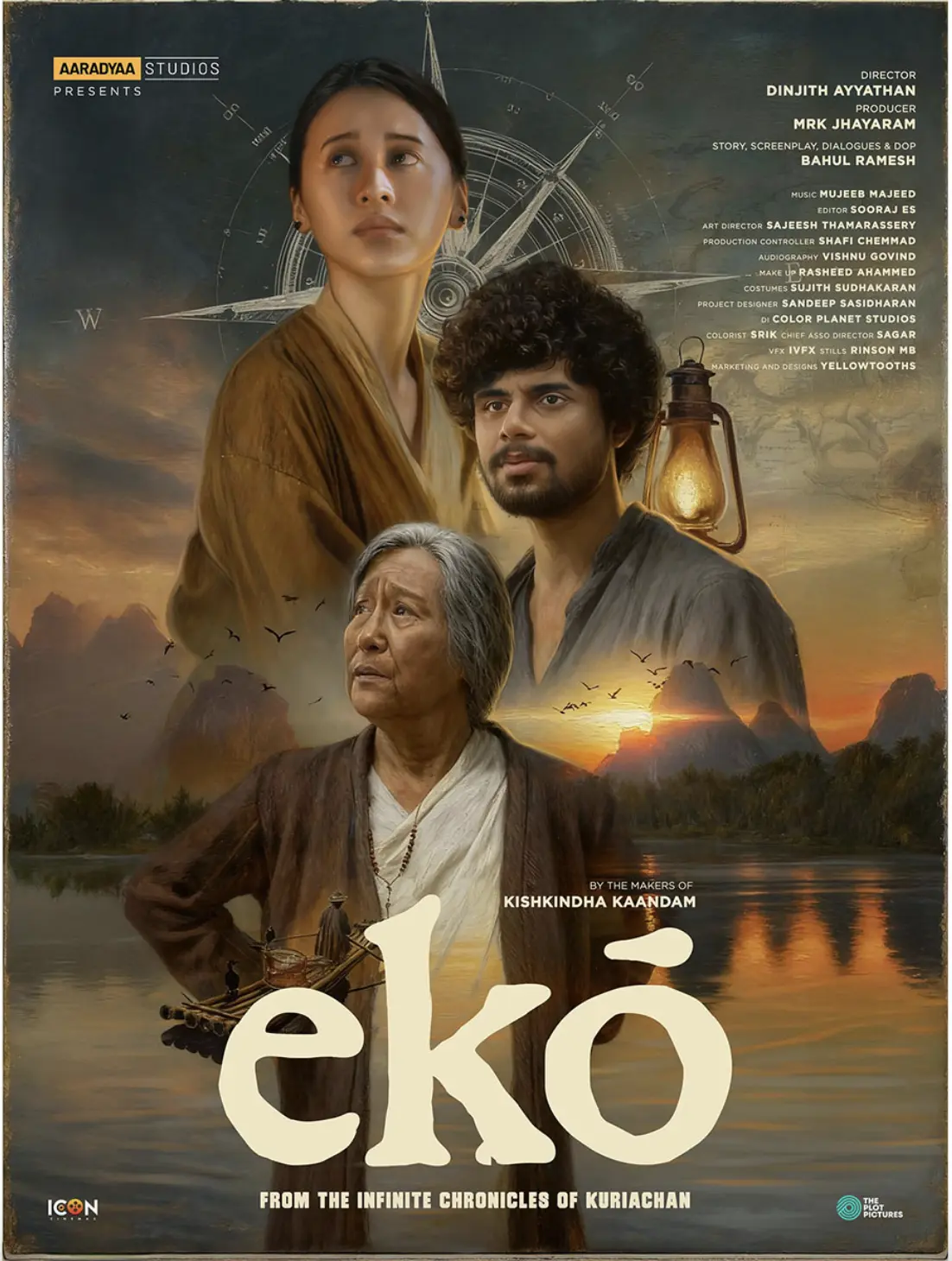
Eko, being the final instalment of Bahul Ramesh’s Animal Trilogy following Kishkindha Kaandam (2024) and Kerala Crime Files 2 (2025), delivers exactly what its predecessors achieved, a world that pulls you in not through loud storytelling, but through mood, sensory detail, and characters who feel carved out of lived life.
What I enjoy about Bahul’s writing is that he doesn’t treat plot as an urgent checklist. Instead, he lets the world breathe first. Eko carries that same confidence, the belief that if you sit with the landscape long enough, you’ll start to feel the film’s pulse before you understand its story.
Warning - Spoliers ahead.
A Legend Made of Half-Truths
At the centre is Kuriachan (Saurabh Sachdeva), an almost mythical dog breeder whose reputation is stitched together from gossip, fear, and nostalgia. Everyone wants him, police, gangsters, abandoned friends, abandoned victims, but nobody can really articulate what his crimes are. It’s more like a collective superstition around the man.
His Malaysian wife, Mlaathi Chedathi (Biana Momin), holds the narrative together from her mist soaked estate in Kaattukunnu. Her emotional restraint is strangely moving; she answers every accusation and question with a straight face. When that mask breaks even slightly, it shakes the entire film.
Peyoos (Sandeep Pradeep), the caretaker, is written with that classic Bahul touch: a character who initially feels like a stereotype, then suddenly becomes three dimensional when the details start shifting.
The Details That Keep Rewriting Themselves
Bahul’s storytelling is built on evolving details. A drop of milk on a table. A lone ant placed beside it. A bed pulled out to reveal a stack of something you assume is one thing, only for the next scene to flip it into something else entirely.
These aren’t just quirks, they shape how we perceive the characters. Eko constantly asks you to update your judgments, like the movie is in conversation with your assumptions.
Knowledge, here, is unstable. The more you learn, the more you doubt what you know.
Technical Craft: The Film’s Hidden Machinery
What elevates Eko beyond just atmosphere is the technical precision behind the mood.
Colour Grading
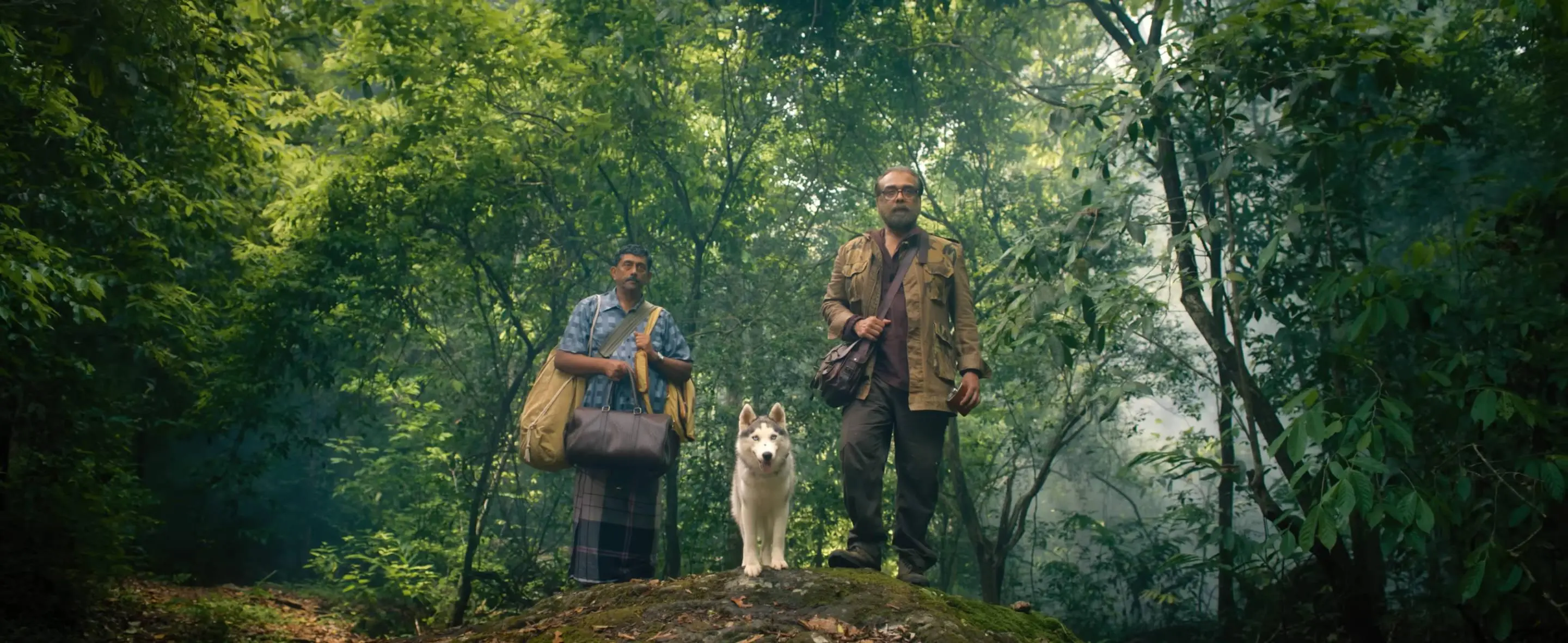
The visual palette does a lot of heavy lifting. The grading leans towards muted greens, heavy greys, and washed out browns, giving the hills a damp, almost suffocating texture. It feels like the mist is not just around the characters, but seeping into them.
Flashback sequences subtly warm up the temperature, but not enough to romanticise the past. It creates a nice emotional tension, the past isn’t happier; it’s just less fogged.
Cinematography
Bahul Ramesh’s frames are deliberate. Static shots dominate the first hour, as if the camera itself is observing the characters quietly, waiting for them to reveal themselves. As the conflict intensifies, the visual language shifts the camera begins to move, handheld and slightly shaky, mirroring the growing uncertainty of the final act.
The jungle chase and waterfall fight scenes are striking without ever turning flashy. You can feel the geography of the terrain, with the camera capturing chaos while still keeping the action readable. These sequences show a clear command over space and rhythm.
However, the film’s heavy reliance on extreme close ups is a mixed bag. At times, they work beautifully: tightening the frame to heighten tension, revealing micro expressions, and pulling you directly into the characters’ emotional states. But in several moments, the close ups feel overused, blurring out backgrounds that could have added atmosphere or storytelling depth. Some shots would have benefited from stepping back and letting the environment breathe.
Still, when the camera pulls wide, especially during the dog sequence, Eko shines. The choreography, spacing, and movement come through with clarity and confidence, making those wide shots some of the film’s most memorable moments.
Sound Design
This is one of the film’s strongest departments. The sound design layers every rustle, every distant bark, every breath of wind. The dogs aren’t just heard, they’re felt. The low rumble of a growl from somewhere offscreen is enough to build tension. Even indoors, you can faintly hear the forest breathing outside.
Silence is used brilliantly, especially in the scenes where Mlaathi waits for footsteps she’s not sure she wants to hear.
Music
Mujeeb Majeed’s score acts almost like a narrator. It cues emotions slightly before the script does, but because the film is intentionally ambiguous, the music feels like the one element that’s telling the truth.
Dogs as a Narrative Device, Not a Gimmick
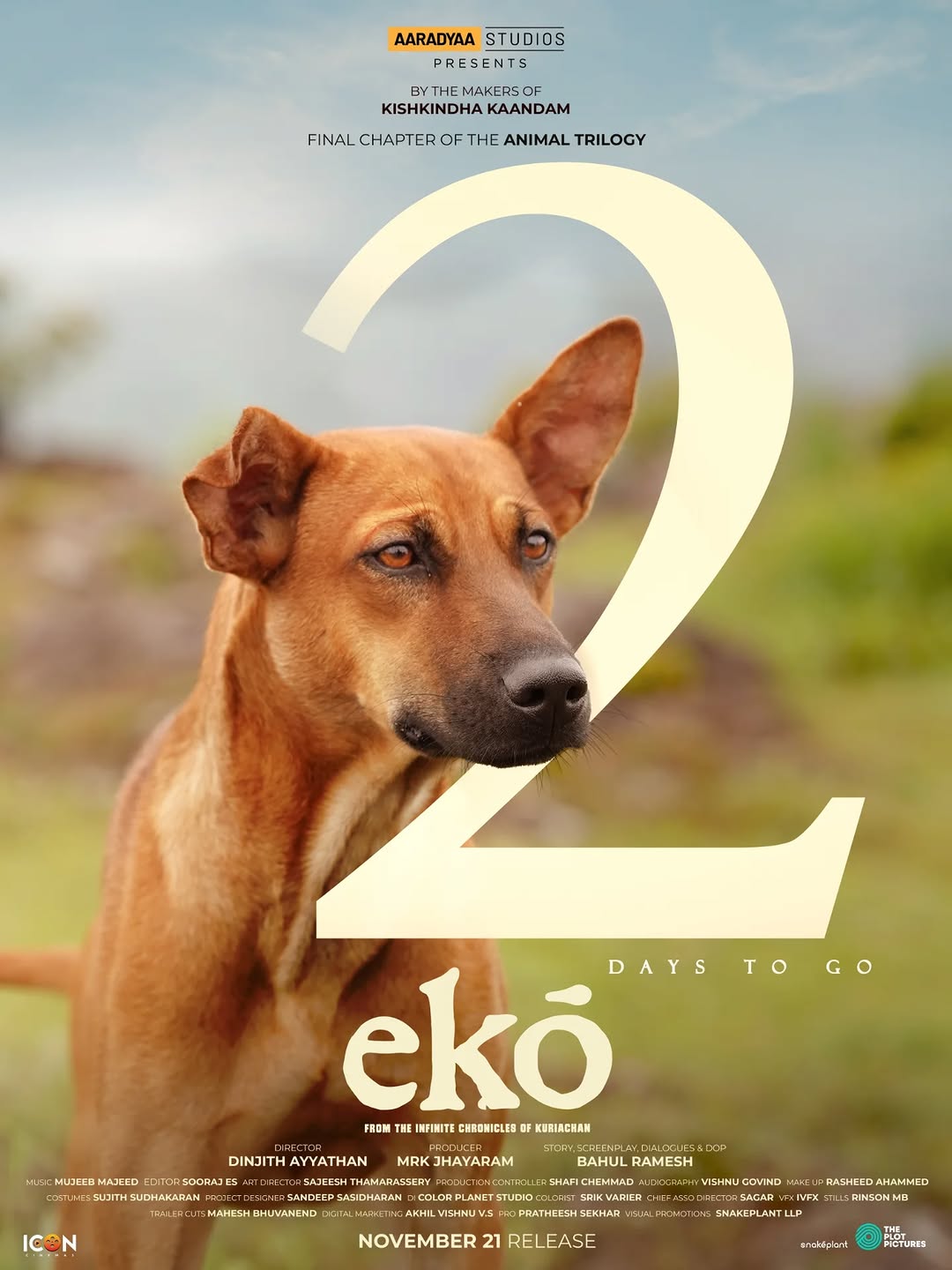
This is where Eko fully differentiates itself from Kishkindha Kaandam. The dogs aren’t just aesthetic. They drive character, plot, and theme.
Their formations around the estate
Their obedience to certain characters but absolute refusal to respond to others
The way their presence changes the power dynamics
…all of it is carefully planned.
There’s one standout sequence where the dogs encircle a character, not aggressively, but as if measuring his intent. The tension in that moment is entirely non verbal, the scene works purely because the filmmaking trusts the animals to carry the drama.
The bond between the dogs and Kuriachan, partly mythical, partly practical, is one of the film’s most fascinating threads.
Performances (and the Odd Casting Choice)
Sachdeva performs the mystery well, though he never fully resembles a central Kerala planter or breeder, something about his face and body language feels borrowed from another geography.
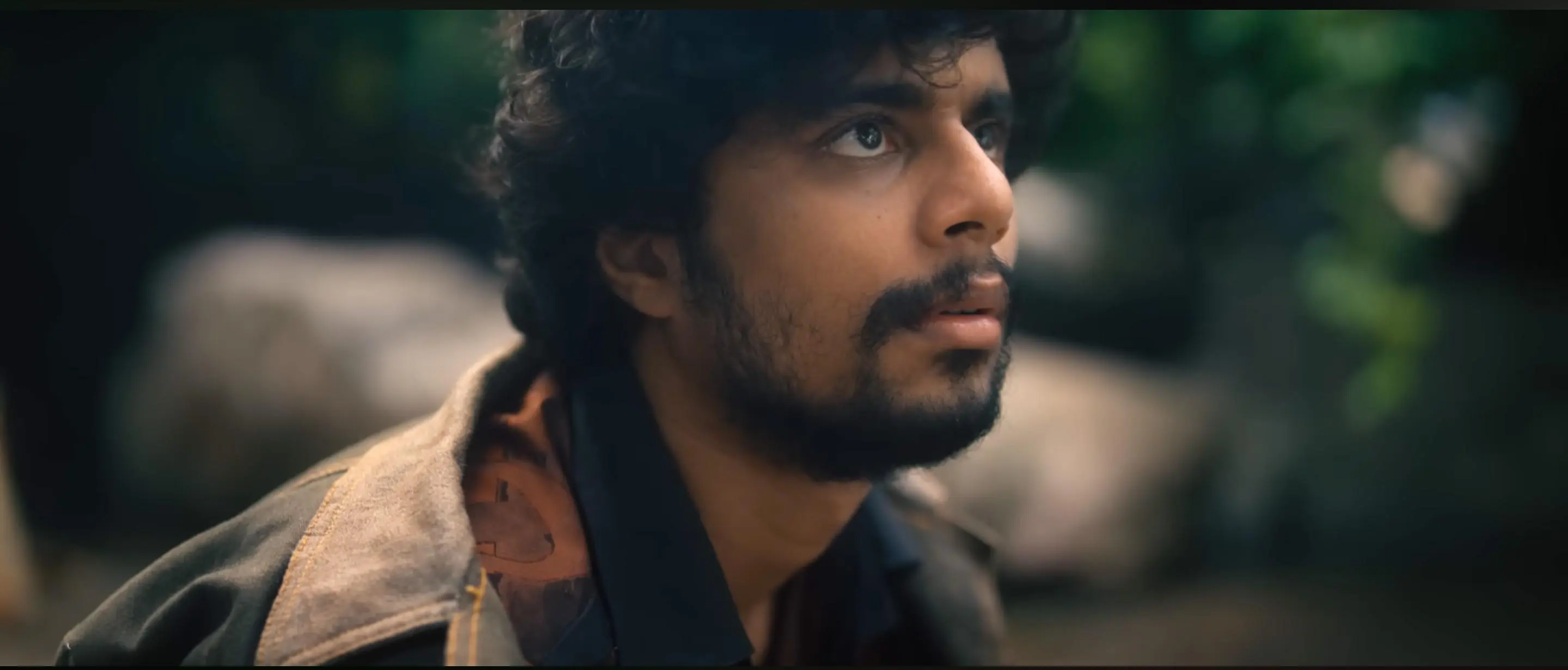
Sandeep Pradeep is outstanding. He plays Peyoos with a strange calmness that becomes more unnerving the deeper you get into his character. He’s clearly an emerging talent, and Eko once again proves he’s capable of far more than what he’s been offered so far
Biana Momin is terrific in the present timeline, but the flashback casting mismatch is impossible to ignore. She’s framed as a young “cute baddie” while Kuriachan already looks 40+, and decades later she looks 80 while he looks like he aged five years. It unintentionally breaks immersion.
Final Thoughts
Eko isn’t a film that hands out answers. It hands you impressions and asks you to assemble meaning yourself. And even then, it might still leave you second guessing your conclusions.
But that’s exactly why it works.
It’s mysterious without being showy, slow without being dull, and textured in a way that lingers long after the end credits. The terrain, the dogs, the soundscape they all fuse into a kind of sensory fog that the film carries confidently from beginning to end.
A solid final chapter to the Animal Trilogy.
Comments