
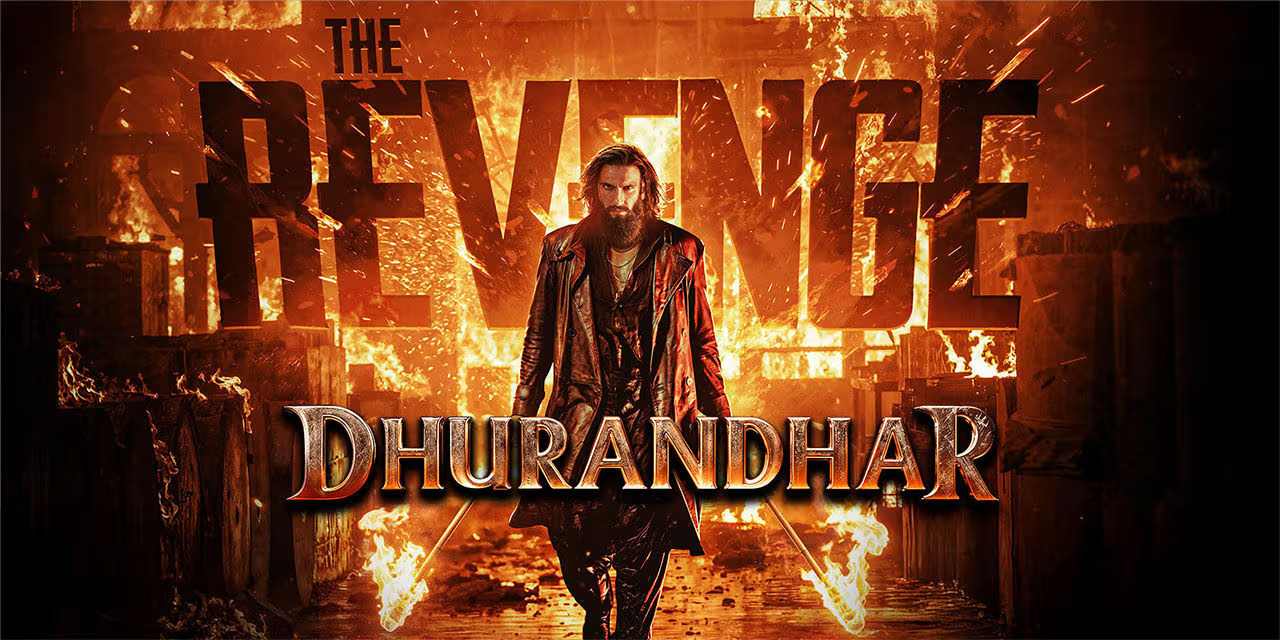
I walked into Dhurandhar: The Revenge expecting a bigger, more intense version of the first film. What I did not expect was how far it pushes itself in tone, messaging, and sheer force. This is not just a sequel trying to outdo what came before. It feels like a film that wants to overwhelm you and keep you there.
And for a while, it actually works. Until it starts to lose its grip.
- Warning - Spoilers ahead.
This is not just louder. It is more aggressive.
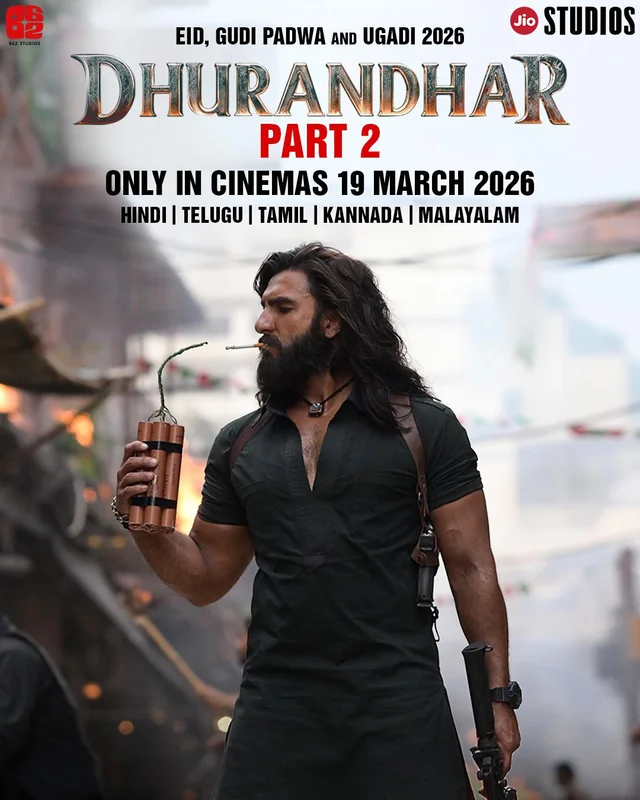
The story continues right where the first part left off, with Hamza now fully settled and rising through the ranks in Karachi. On paper, it is a familiar mix of power and revenge. But the way it unfolds, it is less about the struggle and more about control. Control over enemies, over the narrative, and even over how the audience is supposed to feel.
What stood out to me was how easily things fall into place for him at times. For someone surrounded by gangsters, ISI officers, and rival groups, there is surprisingly little resistance. The first film had tension, unpredictability, and a constant sense of danger. Here, it often feels like everything is moving according to plan rather than being fought for. A big part of that comes from the lack of a strong opposing force. You can feel that absence throughout.
Ranveer Singh is what holds this film together.
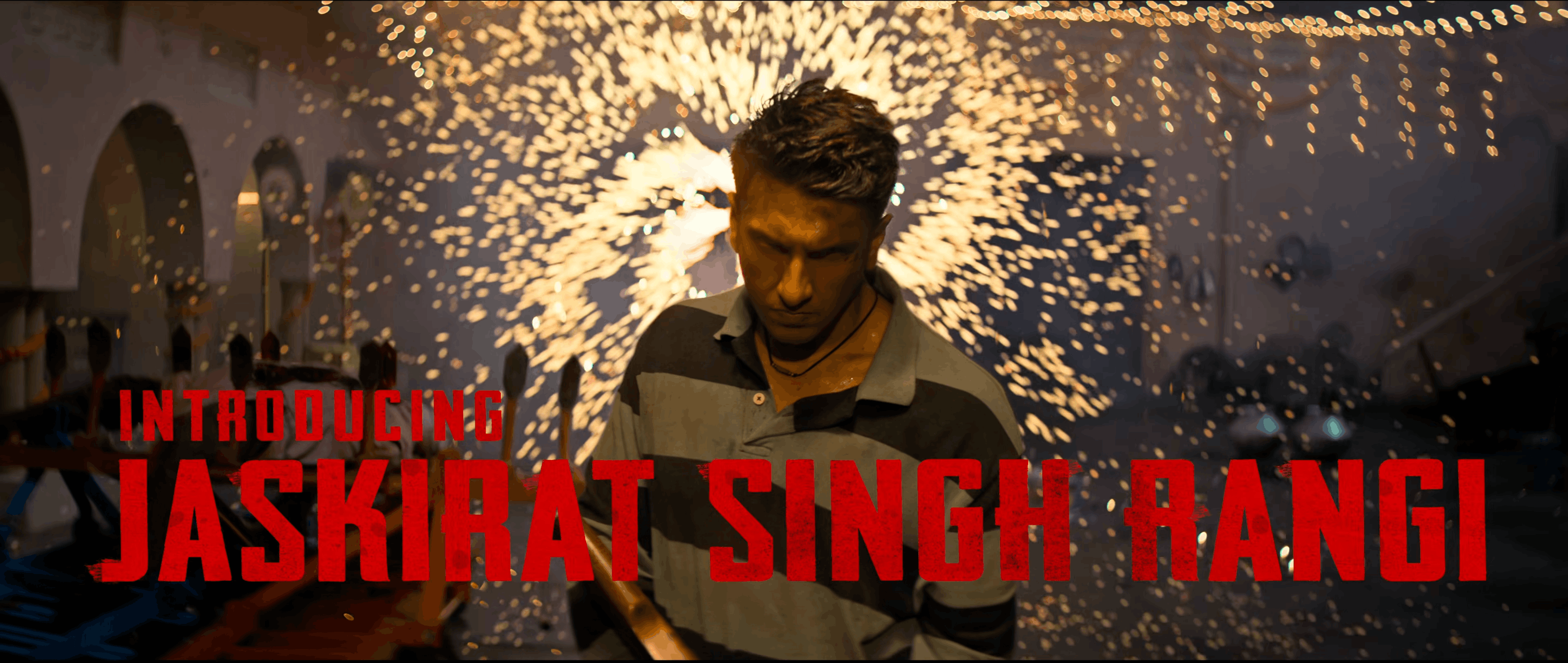
Regardless of what works or does not, his performance carries the weight of the film. He moves between Jaskirat and Hamza with ease, balancing vulnerability and brutality in a way that keeps you invested. Even when the film leans heavily into chaos, he brings just enough humanity to keep the character grounded.
At the same time, the writing does not always support that depth. For someone shaped by trauma and forced into this life, there is very little hesitation or inner conflict. He keeps moving forward without much reflection. The film never really questions him, and that feels like a missed opportunity.
The action is technically strong, but it becomes overwhelming.
There is no denying the control behind the action sequences. Some of them are sharp, raw, and executed with confidence. But the film relies so heavily on violence that it starts to lose its impact. After a point, it is no longer shocking. It just becomes constant. It almost feels like the film wants you to get used to it, as if it is conditioning you not to react. That said, when it chooses its moments carefully, especially in the final stretch, it delivers. The pre climax and climax portions are easily the strongest parts of the film.
This really is a film of two halves.
The first half did not fully work for me. It is not dull, but it feels stretched and a bit too comfortable taking its time. The second half is where things come together. The narrative tightens, the stakes feel clearer, and the film starts building towards something meaningful. By the end, it pulls you back in and reminds you why you were invested in the first place.
The performances are solid, even if their impact varies.
Arjun Rampal brings intensity to Major Iqbal, but the character needed more depth to truly stand out. Sanjay Dutt adds presence, though his role occasionally leans into exaggeration. R. Madhavan has limited screen time, but he leaves an impression, especially in moments connected to the larger story.
Rakesh Bedi ends up being a surprising highlight, bringing a bit of relief into an otherwise heavy narrative. Sara Arjun does well with what she is given, though it is clear her character had more potential than what we see.
The biggest shift comes in the way the film handles its messaging.
In the first part, the political undertones were present but blended into the story. Here, they are direct and impossible to ignore. The film does not just hint at its stance. It states it, reinforces it, and repeats it. There are multiple moments where the narrative clearly aligns with a specific viewpoint. References to real world events, the framing of national decisions, and especially the repeated chai wala line make it clear that this is intentional. It is no longer subtle.
At times, it feels like the film steps away from being a story and becomes a statement.
Depending on where you stand, this could either add to the experience or pull you out of it completely. What also stands out is how everything is reduced to clear sides. Good and evil, us and them. There is very little grey, which makes the world feel less real even if it is more dramatic.
The writing struggles to match its own ambition.
There is a strong idea at the center. A man broken by personal loss, turned into something else, navigating a hostile system. It is compelling. But the execution does not always live up to it.
Some moments feel too convenient. Some characters are underdeveloped. The emotional depth that could have elevated the film is often pushed aside for spectacle. It also feels stretched, almost like a long format series rather than a tightly written film.
Technically, though, the film is consistently strong.
The cinematography has a gritty and grounded tone that fits the story. The production design is detailed and immersive. The action choreography is well executed. The editing does a good job managing the runtime, especially in the latter half. The background score adds weight where needed, even if the songs do not leave the same impact as the first film.
In the end, Dhurandhar: The Revenge is not an easy film to sum up.
It is ambitious, intense, and made with conviction. There are moments that genuinely impress, particularly in its performances and action. At the same time, there are stretches where it feels excessive, convenient, and too eager to push a certain narrative.
The shift from subtle undertones to direct messaging stands out. Add to that the relentless violence and the stretched runtime, and it becomes a film that asks a lot from its audience.
But it still delivers enough, especially in the second half and final act, to leave an impression. It may not have the balance or sharpness of the first film, but it justifies its existence.
And more importantly, it stays with you, even if not always for the right reasons.

Comments