
A return I was genuinely excited for
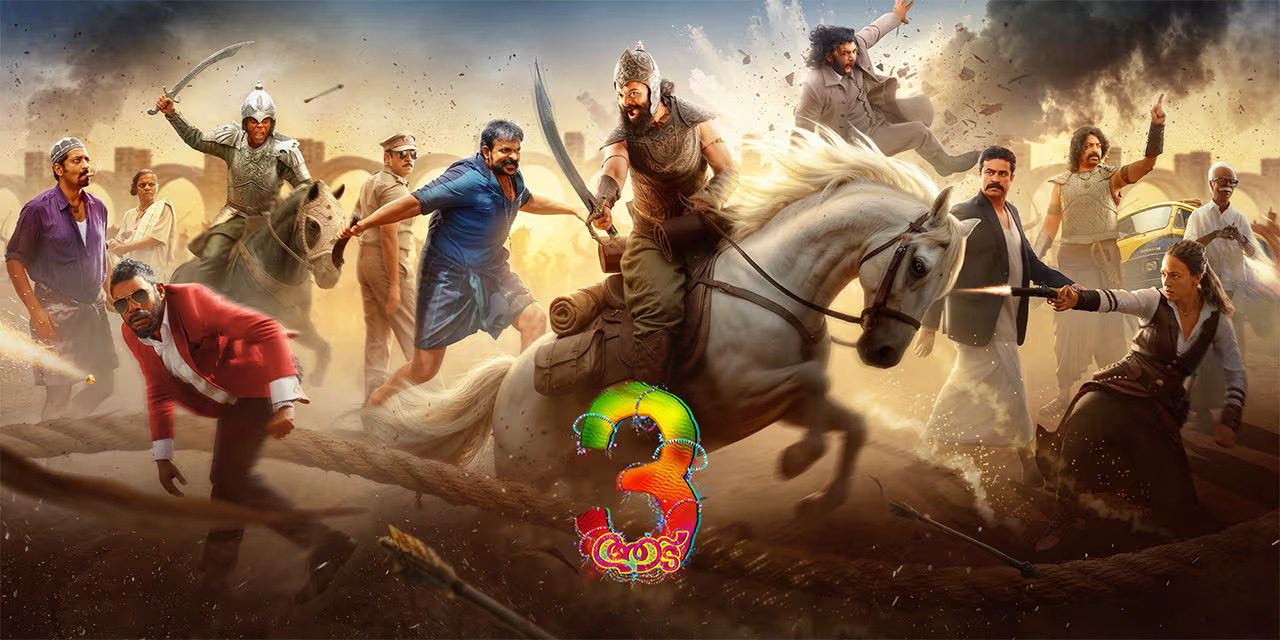
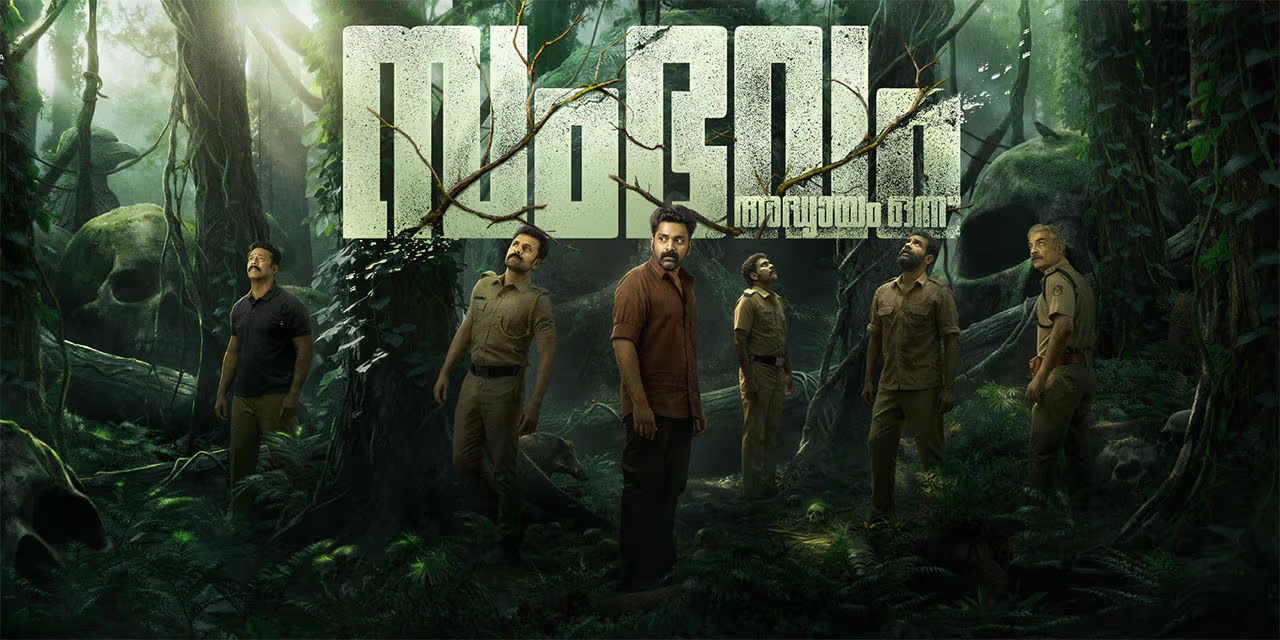
Walking into Aadu 3, I wasn’t just expecting another sequel. I was expecting to revisit a world that had become part of our pop culture. Shaji Pappan and his gang aren’t just characters anymore, they live on through memes, stickers, and everyday conversations. So when this third instalment promised multiple timelines, time travel, and a bigger scale, it felt like the franchise was ready to push itself further than ever before.
And in many ways, it does. Just not always in ways that work.
A wild idea that almost works
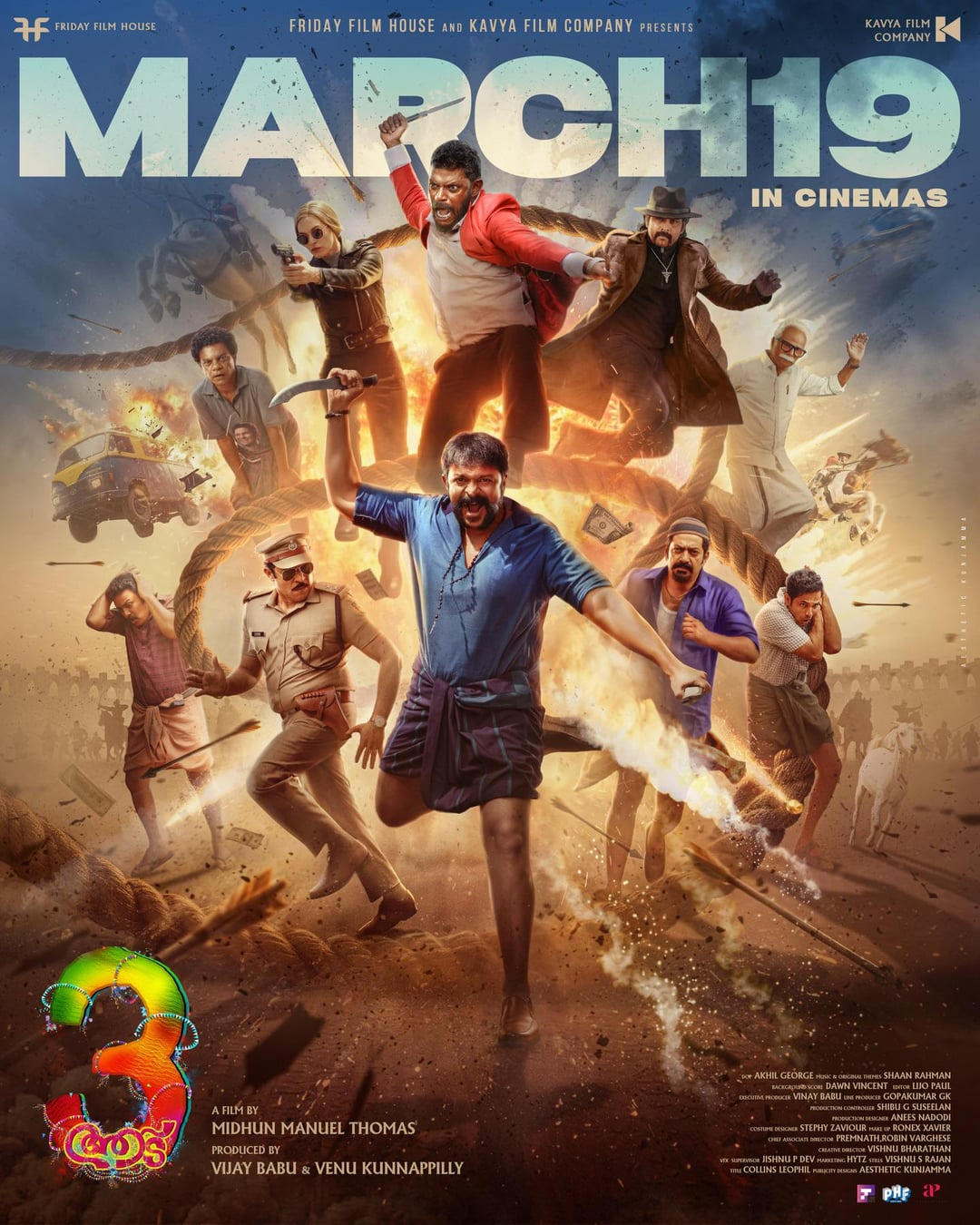
The story now stretches across timelines, connecting the present with a historical setting and even hinting at a futuristic layer. At the center is a mysterious object that ties these timelines together, with different versions of the same characters chasing it across eras.
What stands out is how the film approaches this concept. Despite all the sci fi elements, it never becomes serious. Instead, it treats everything like a spoof. Whether it is a king in the past or a gang member in the present, these characters remain equally foolish.
That idea is genuinely interesting. The thought that even kings could have been this ridiculous adds a fresh twist to the usual historical storytelling.
But while the idea is strong, the execution feels uneven.
Humour that doesn’t always land
The earlier films worked because the comedy felt effortless. The characters were not trying to be funny. Their behaviour itself created humour, and that unpredictability made everything work.
Here, things feel more forced.
There are definitely moments that make you laugh. Some random conversations, small digs at Pappan, and a few callbacks work because of familiarity. Even certain side tracks, though unnecessary, manage to entertain because of the dialogue.
But a lot of the humour feels pushed. Instead of situations creating comedy, the film leans heavily on wordplay and repeated punchlines. At times, it feels like every character is trying too hard at once, which takes away from the charm.
Dharmajan’s Cleetus is a good example of this shift. Earlier, his deadpan delivery made even the dumbest lines funny. Here, it is exaggerated to a point where it becomes tiring, and occasionally even annoying.
Familiar faces, but something feels off
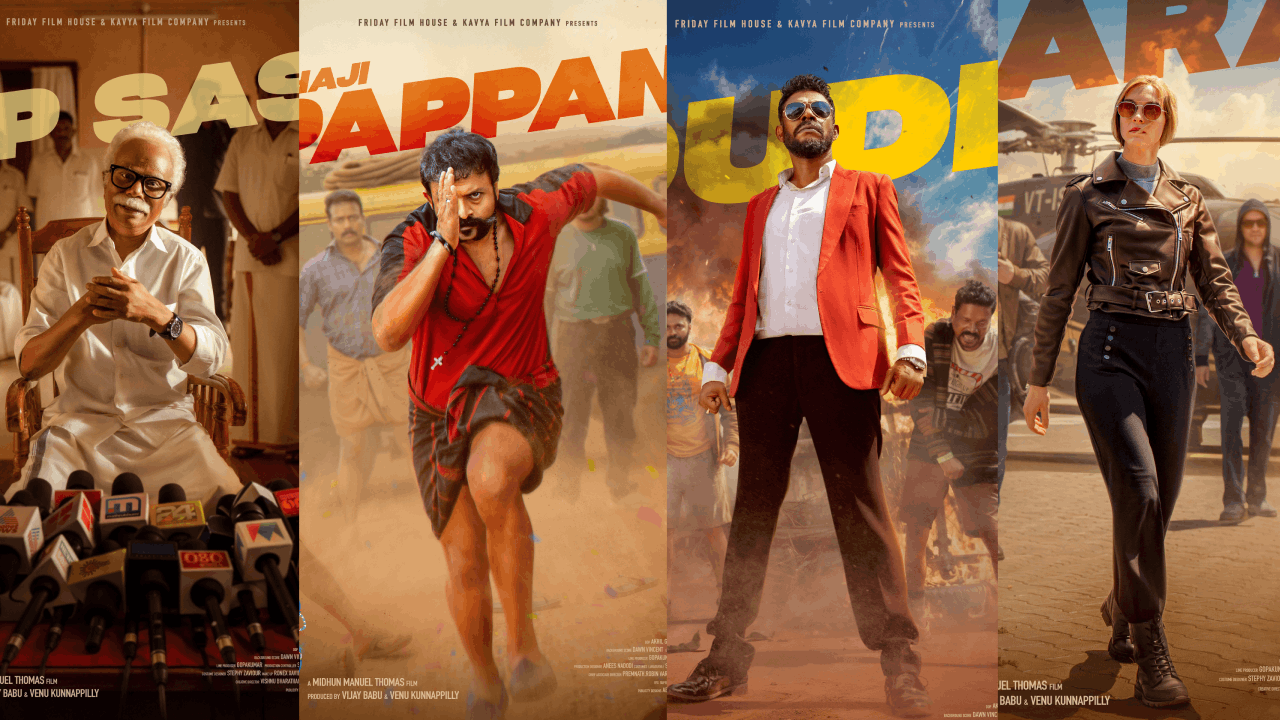
The film brings back almost everyone, and the performances are largely fine.
Jayasurya slips back into Shaji Pappan with ease, and the dual roles across timelines show some variation. Vinayakan brings a certain energy, especially in the present timeline, that lifts several scenes. Saiju Kurup and Indrans also have their moments.
But the problem is not the actors. It is how the characters are written.
They no longer drive the story. Instead, they seem to exist within it, delivering lines as required. The chaotic chemistry that once defined this group is missing. You see the same characters, but you do not feel the same connection.
Scale has increased, but not the impact
Visually and technically, this is the biggest film in the franchise. The period portions are detailed, and the overall presentation feels more polished.
However, the scale does not translate into engagement.
The historical portions, despite the effort, lack excitement and often feel repetitive. The film also stretches itself too much, especially in the first half, where the pacing becomes sluggish and the humour starts to lose its effect.
With a runtime that feels long for what it delivers, the film demands patience.
Feels more like a setup than a complete film
By the time you reach the end, it becomes clear that this is only the first half of a larger story.
The real conflict begins quite late, and just when things start getting interesting, the film cuts off. It works as a setup for what could be a more engaging second part, but as a standalone experience, it feels incomplete.
Final thoughts
Aadu 3 is not a complete misfire, but it is far from what made the franchise special.
It has a strong concept, a few genuinely funny moments, and enough nostalgia to keep you invested in parts. But it also struggles with forced humour, an overextended narrative, and a noticeable loss of the natural chaos that once defined these characters.
In trying to become bigger, it loses some of its original identity.
That said, the ending leaves you curious. There is still potential for the second part to bring back what this one misses.
Verdict
An ambitious but uneven first chapter that entertains in parts, drags in others, and ultimately feels like a long build up to something better.

Comments